Hey Nerd! Welcome to my site! It's pretty much where all the hot millennials go. If you're here, it's probably because you're a film and literary enthusiast. Let's chat.
Cubbie is the host and creator of Cubbie Chats, a pop-culture podcast covering film, television, books, fandom, and the creators behind the stories we love. As a member of the North Texas Film Critics Association, Cubbie brings a critic’s perspective with a fan-first voice—connecting audiences with the people and stories shaping pop culture.
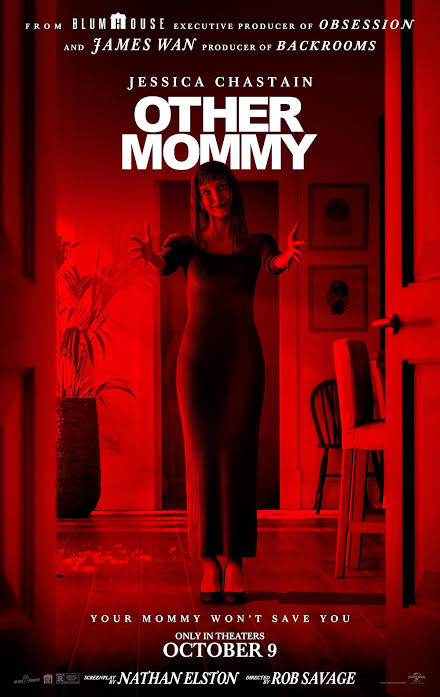
Rob Savage’s Other Mommy, delivered one of the best trailers of the year. I’m not sure I’ll ever witness the amount of screaming and jumping I did from this singular movie promo. However, the trailer may have been the last time fans experienced a scare from Other Mommy.
As of now, the film currently sits at a 16% on Rotten Tomatoes. Dare I say, that score is too low?
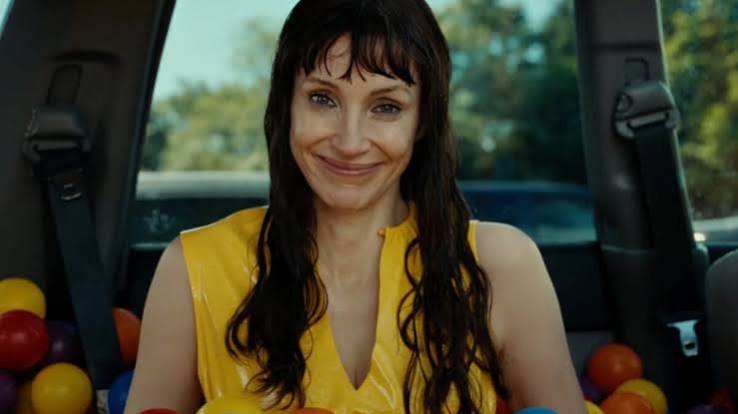
Jessica Chastain’s portrayal of the duality of Ursula’s journey through motherhood is electrifying. On one hand, you have a mother pretending to be content with the family she has built. On the other, you have “Other Mommy,” a supernatural entity so hellbent on receiving her daughter’s love that she is willing to eliminate any obstacle standing in her way. I’m not even kidding right now, you guys, I’ve thought about that weird smile she delivers at least a hundred times since watching this.
Rob Savage’s keen eye for horror takes the spotlight during the film’s horror sequences. Seemingly drawing inspiration from Stephen King’s IT, the supernatural entity haunts our young protagonist by becoming psychological, evasive, infiltrating her sense of safety, and blurring the lines between imagination and reality. One of the sequences that genuinely frightened me was watching Bella fall into a ball pit that opens up into a seemingly endless, pitch-black abyss. (Mainly because this was a very real childhood fear of mine. You know, back when ball pits still existed.)
The missing piece of the puzzle for me was the ending. It felt lazy and gimmicky. I mean… come on. There’s nothing I hate more than a cheap ending in which confronting the truth magically resolves everything. In Other Mommy, Ursula’s revelation about Bella’s biological father somehow becomes the key to banishing the entity that’s been terrorizing their family. Really?
While the scares didn’t quite deliver to the hype the trailer summoned, Other Mommy, was still an entertaining horror film bringing inspiration from IT and Coraline.
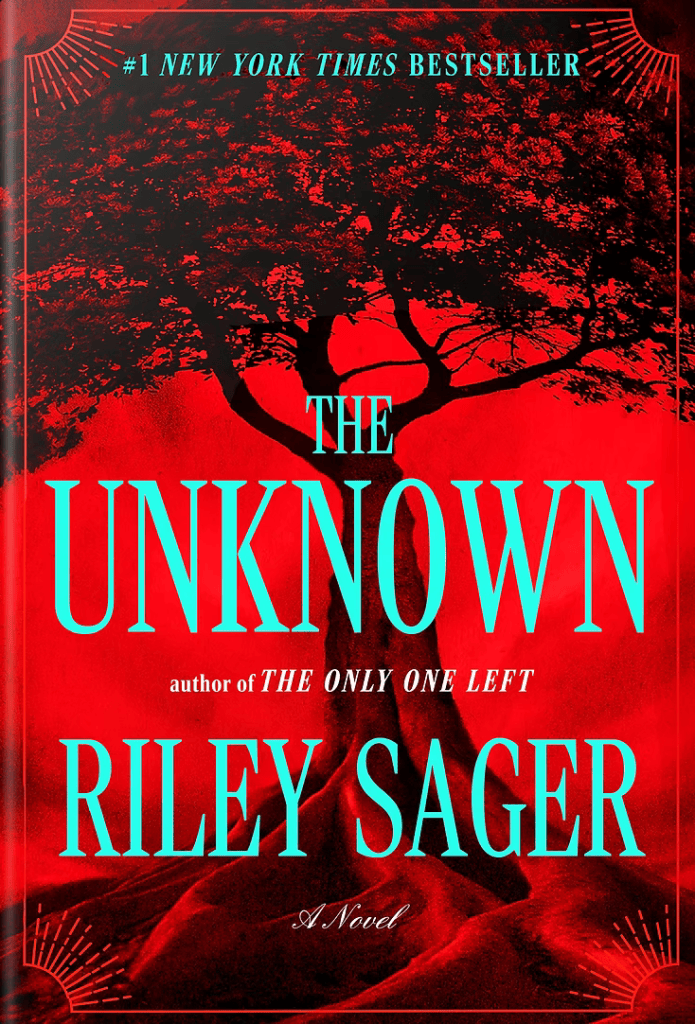
As a TikTok connoisseur, I have watched many a video about this so-called “King of Twists,” Riley Sager, an author that has somehow consistently managed to send his readers on a spiral of mind-bending revelations. Having been unfamiliar with his work, I set out to employ my skills of discernment to see if this title proved to be true, and picked up his newest novel, The Unknown.
Photo by Michael Livio
This story follows Marin, an unknown actress who has just landed her big break in a film alongside legendary actress Violet Wright, under the direction of acclaimed filmmaker Ronan Peters. In preparation for this film, Ronan has tasked the cast to go full method acting and spend a week on the island of New Avalon, the location of the legend the film is based on. During this week, the ladies must wear the garments, live like they are in the year 1926, and surrender all their modern day devices. According to legend, the island became a commune hosted by Ruth Semple and hosted many women who were believed to have supernatural abilities and witchcraft. One night in 1926, five spiritual mediums suddenly disappear with no explanation. The only sign of their existence was their five dresses hanging over a massive oak tree. Now Marin, is trapped on the same island as the paranormal occurrences begin to happen all over again. *cue the spooky music*
Sager’s writing is simply beautiful and descriptive. It’s just the right amount of details to paint a full picture without beginning to sound too pretentious. In fact, I’d say many readers could conjure up a full length movie in their head with the way Riley so aptly builds this world.
The story is written through 2 POVs, one being our protagonist Marin, and the other being Daisy, a young girl inhabiting the island during the disappearances in 1926, whose diary has become the main source material for the film. At times, particularly in the middle, the story begins to feel repetitive. Because Marin and Daisy’s experiences are so similar, their narratives occasionally overlap to the point that it feels like we’re reading the same story twice. But towards the end, that completely changes when the stories begin to diverge dramatically bringing in twist after twist until you can’t help but feel thankful for the dual POVs.
If you’re like me, a great opening paragraph or chapter is all it takes to get you hooked on a book. Sager’s pacing is rhythmic throughout this book, slowing down just enough for the reader to catch their breath, process the supernatural occurrences, before launching into a fast-paced sequence to keep the pages turning. The pacing becomes addictive in the final 50 or so pages, as each outcome becomes deviated with one twist after another. I’m not kidding. Once I thought I had the ending figured out, a new revelation was thrown in, changing the course of our story entirely. So good!
This book was an absolute gem and a wonderful introduction to the works of Riley Sager. It all makes sense now: Riley Sager really is the “King of Twists.” Of course, I’ll be reading another one of his novels, The House Across the Lake, to see if he can solidify that title. I’ll report back soon.
⭐⭐⭐⭐⭐
Rating: 4.5 out of 5.
If you want to chat books with me, or want to listen more about Riley Sager’s The Unknown, spoilers and all, listen to this episode of my podcast, Cubbie Chats. Please leave us a 5-star rating while you’re there!
“A writer’s words should be honest, bloody, and a little bit terrifying.”
Amazon MGM Studios
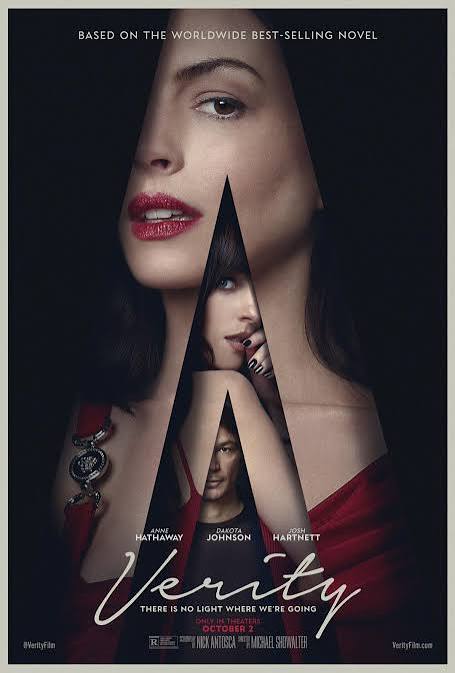
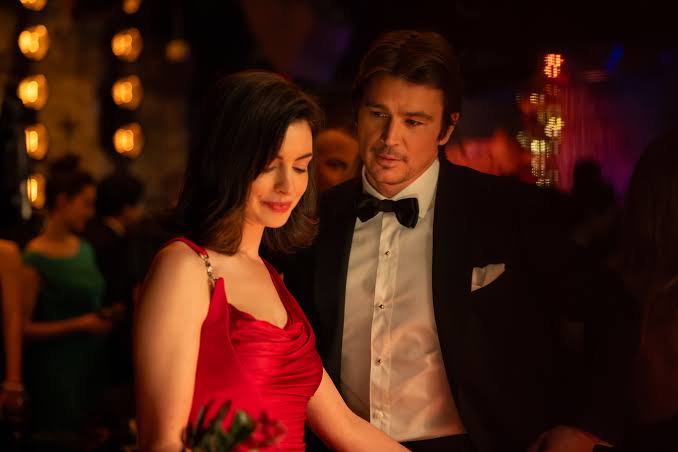
Slow, methodical, sultry, and stomach-churning. Verity was an unexpected stand out film starring Dakota Johnson, Anne Hathaway, and Josh Hartnett. Lowen Ashleigh (Dakota Johnson) is a published author struggling to find her footing in the literary world, when she is mysteriously approached to finish writing bestselling author, Verity Crawford’s (Anne Hathaway), popular novel series. In an attempt to find Verity’s voice, Lowen temporarily moves in with the Crawford family to sift through Verity’s extensive notes and drafts. The bridge between reality and fiction begins to disappear as Lowen uncovers the secret words, lies, and motives Verity has kept hidden.
Amazon MGM Studios
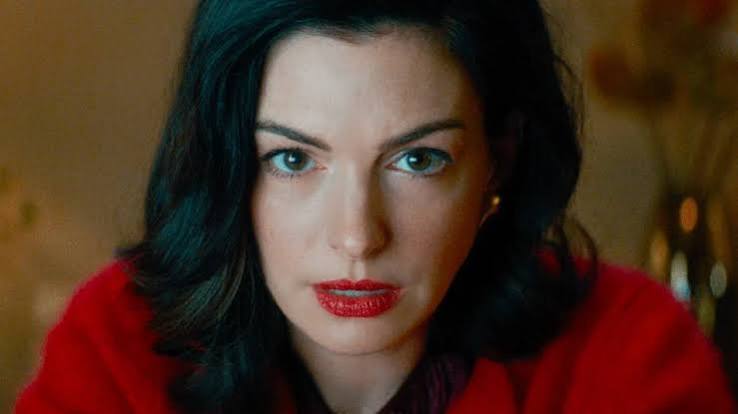
Hathaway is an actress, in my book, who can do no wrong. Even more impressive, is the fact she plays a wheelchair bound, catatonic character, relying solely on the slightest twinge of the lip, eyebrow, or blank stare to deliver something incredible. Dakota Johnson proves she has been constantly miscast in her previous film duds, delivering an exotic and magnificent performance we rarely get to see from her. Josh Hartnett continues to prove he’s still a heartthrob all these years later, balancing a compassionate and temperamental character perfectly.
Based on the Colleen Hoover novel of the same name, Verity is a labyrinth where reality and fiction blur into one another, where the twists and turns challenge the audience’s perception, and where the villain is left to the viewer. There is no right or wrong , only perception.
Amazon MGM Studios
Perhaps this is an unpopular opinion, but did they really have to include Call Her Daddy’s Alex Cooper and Hot Ones Sean Evans? I have respect for the work they contribute to their field, but the tactic to have Verity appear on both their shows feels like a cheap ploy to attract a younger audience. In fact, I can confidently say it takes the viewer out of the film and back into the real world.
*insert eye roll here*
Even days after watching, I still cannot make a strong enough case to determine the sole villain in this film? Perhaps, they’re all the villain?
Verity was the perfect escape film. It has nausea inducing moments, an increasing unsettling atmosphere, and just enough unpredictability to keep you guessing until the very end.
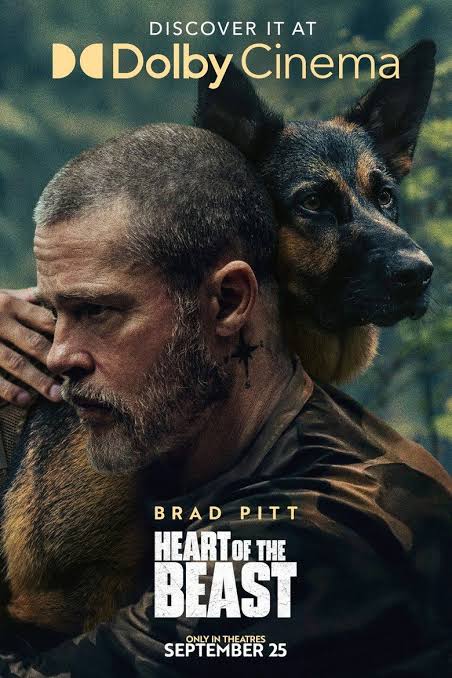
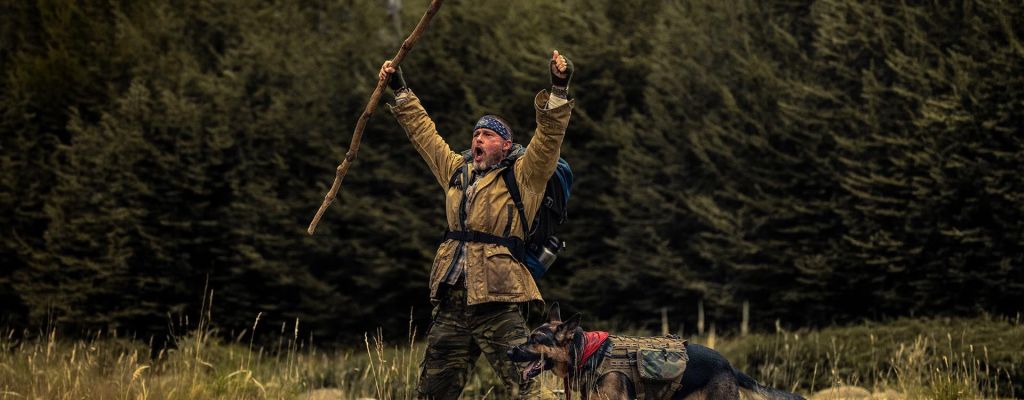
Can we petition the Oscars to open a category for our animal actors? Because Uber, a German Shepherd, who stars alongside superstar Brad Pitt in the new film Heart of the Beast, just delivered one of the best performances I’ve ever seen. GIVE HIM THE OSCAR NOW.
Living a life of seclusion, surrounded by nature, James Belmont and his dog Odin are living their best lives while both simultaneously dealing with the PTSD from their time serving in the military. On a routine trip, Belmont and Odin depart by plane, but Belmont suffers a heart attack mid-flight, causing the Cessna Skywagon to crash into a body of water. Odin is ejected but survives, and after Belmont salvages their gear from the wreckage, the pair set out on foot to hike the roughly 58 miles back to civilization.
Let me reiterate this again, because I’m continually getting roasted for my opinion of this film on my social channels, but I ENJOYED THE FILM.
I truly believe both Pitt and Uber could secure award nominations for this film. However, I do have one major caveat: the pacing felt repetitive and, at times, predictable.
And I want to be specific about what I mean by that, because my issue isn’t simply that the movie is slow. I actually don’t mind a slow-burn survival film. In fact, the slower moments here are important because they allow us to spend time with James and Odin and understand their relationship, their trauma, and the isolation they’re living in.
My problem is that the film doesn’t always create enough buildup to its action sequences.
The structure eventually becomes pretty easy to anticipate: James and Odin walk through the wilderness, we spend time watching them navigate the terrain, and then suddenly they’re thrown into another life-threatening situation. We get a few minutes of intense, beautifully executed action, they survive, and then we’re back to walking again.
Eventually, I stopped wondering what was going to happen and started wondering when the next thing was going to happen.
That’s where the tension started to disappear for me.
The action sequences themselves are often fantastic. They’re visceral, physical, and genuinely thrilling. But I wanted more escalation leading into them. I wanted the danger to feel like a natural consequence of everything James and Odin had been experiencing rather than something that periodically arrives because the movie has reached its next action checkpoint.
It’s almost like the film is structured as a series of peaks and valleys. The problem is that after enough repetitions, you start to recognize the shape of the next peak.
And that’s frustrating because the ingredients for a more steadily escalating survival story are absolutely there. James’ deteriorating condition, his PTSD, the isolation of the wilderness, Odin’s dependence on him, and the growing realization that James may not make it home all could have been used to continually raise the stakes.
Instead, there are moments where it feels like we’re simply walking toward the next dire situation.
That doesn’t mean those quieter scenes are pointless, though. In fact, I think the film is quietly building toward something much more emotional than simply getting James and Odin back to civilization.
Paramount Pictures
SPOILERS AHEAD!
.
.
.
SERIOUSLY!
.
.
.
I’M GOING TO TALK ABOUT THE ENDING!
.
.
The bond between James Belmont and Odin is ultimately the heart of this movie. The wilderness journey isn’t just about survival. It’s about James slowly coming to terms with the possibility that he won’t be there for Odin forever.
And by the end, James realizes his time is coming to an end. Instead of continuing to fight simply to make it home, he gives Odin final instructions and leaves a note for his new owner.
That moment completely reframes the journey.
James isn’t just trying to survive anymore. He’s trying to make sure Odin survives without him.
And I think that’s what makes the ending so powerful. After spending the entire film watching these two depend on one another, James’ final act of love is accepting that he has to let Odin go.
One final heroic act to save the love of his life.
A canine who has been there through his trauma, his isolation, and his darkest moments, and who, in his own way, understands the man James is beneath all of it.
That’s why, despite my frustrations with the pacing, the ending worked for me. The journey may have felt repetitive at times, but the emotional destination hit.
And yes, I am still petitioning the Academy for an Oscar category for Uber.
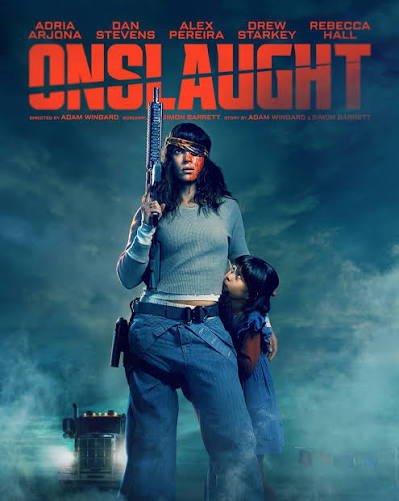
Some films you just have to accept are substance-less, mind-numbing pure entertainment created to keep you glued to your seat. Onslaught, is one of those films, and dare I say, a possible contender for a new cult classic.
Courtesy of A24
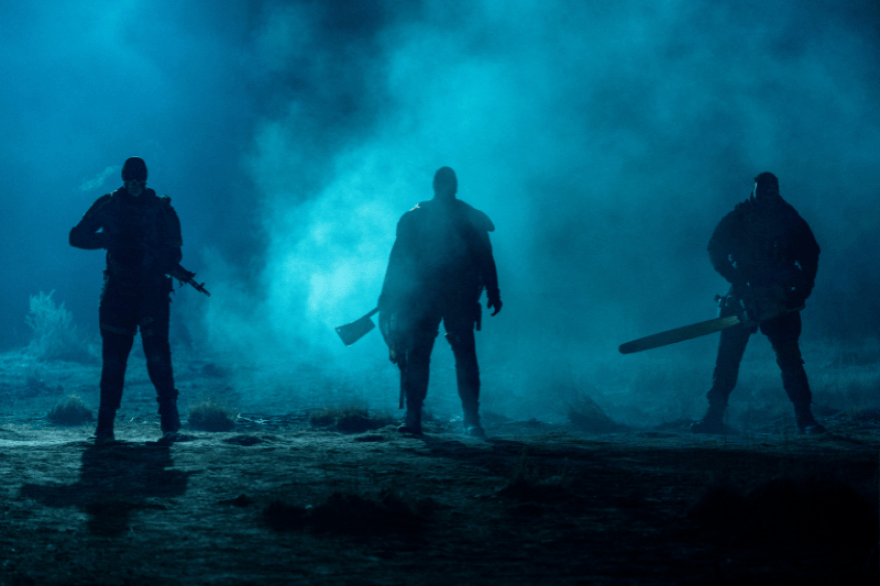
Adria Arjona, leads as Celeste , a tough, hardened army sniper, struggling with adapting to civilian life. Set in a rural desert trailer park, Celeste soon finds herself in a battle against a trio of super soldiers who escaped a nearby government facility, killing everyone in their path. Also, in the lineup is icon Reginald Veljohnson, providing some badass support and comedic relief as Vietnam War veteran Josiah. Drew Starkey play Cyrus, another eccentric character adding an unpredictable element to the story.
Cinematically the film offers flickering glimmers of our favorite horror classics like The Texas Chainsaw Massacre (1974), Tarantino’s Kill Bill (2003), and even the modern day film You’re Next (2011). The references feel less like direct imitation and more like brief cinematic echoes that give the film a familiar genre texture. Ugh, it feels so good to watch an 80’s B-movie again.
Courtesy of A24
Viewers will find an onslaught (hehe) of violence and gore that rivals its horror influences, making many of the famous horror genre entries look like tame childhood films. And when you’re done dodging the splashes of blood every other minute, you can enjoy the overly gratuitous and unnecessary scenes of a doctor with an apparent boot-licking fetish, and bodacious bodies of women dressed in leather bondage with breasts, butts, and lips out. Honestly, in the age of equality, go ahead and take man-meat out of the freezer and put some on display. Take a note from Jessica Chastain, who famously advocated for greater balance in onscreen nudity. During the production of Scenes from a Marriage, Chastain and her co-star Oscar Isaac reportedly agreed that if one performer was required to expose a particular part of their body onscreen, the other should be held to a comparable standard. It became a pointed example of how intimacy and nudity can be approached with greater fairness between male and female performers. Ugh, Starkey was right there y’all.
This should be a film horror junkies will thoroughly enjoy, and for film connoisseurs , such as myself, A24’s signature creative flair, indie flavor, and artistic vision is stapled throughout the project. If you’ve ventured out to watch, let me know down in the comments.. is it a cult classic?!
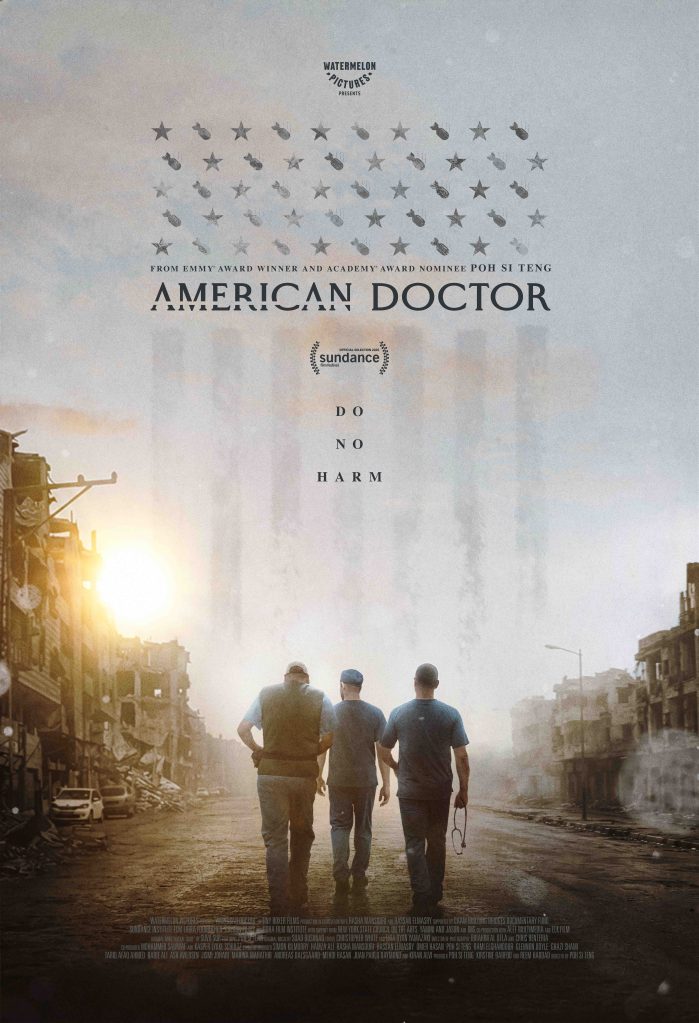
Few documentaries leave you feeling all four quite so profoundly. American Doctor, directed by Academy Award-nominated and Emmy Award-winning filmmaker Poh Si Teng, is an unflinching examination of the humanitarian crisis in Gaza, but its power comes from refusing to reduce that crisis to statistics, political talking points, or distant headlines.
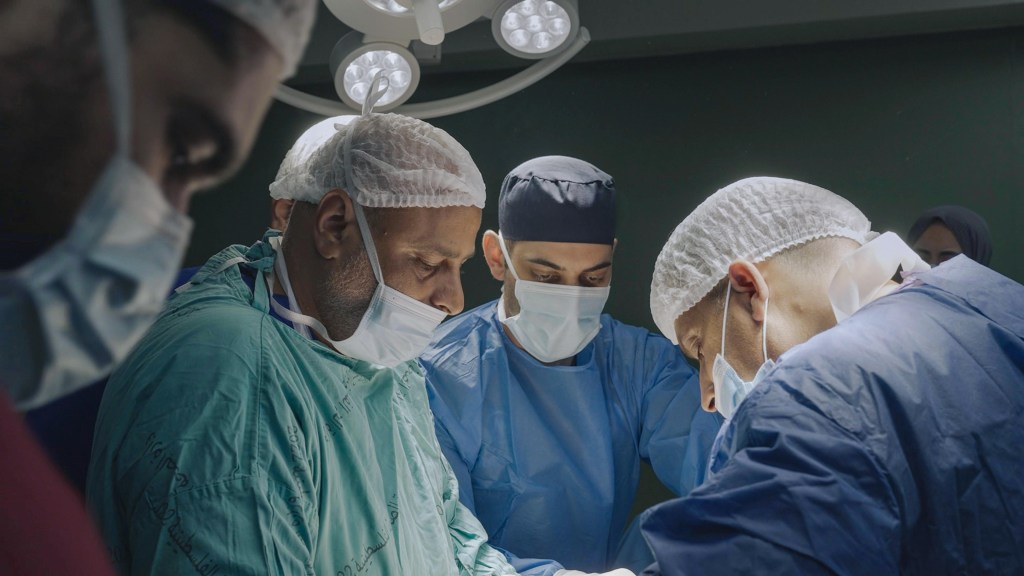
Instead, Teng brings us into the hospitals.
The film follows three American doctors, Palestinian-American Dr. Thaer Ahmad, Jewish-American Dr. Mark Perlmutter, and Zoroastrian-American Dr. Feroze Sidhwa, as they travel to Gaza to render medical care under conditions that defy comprehension. What begins as a portrait of medical professionals answering a humanitarian call quickly turns into a psychological burden of returning home after seeing the unimaginable.
Teng’s most effective decision is also her most difficult. American Doctor sanitizes nothing. In fact, an early conversation documented in the film discusses whether or not it is beneficial to shield the audience from the images of dead Palestinian children, but ultimately the decision to shield the audience would meaning shielding them from reality of what is happening.
And that’s where the film becomes genuinely uncomfortable. (as intended)
For many of us, we are accustomed to consuming this tragedy through a screen. A headline. A photograph. A thirty second video before the algorithm pushes towards something else. Teng understands this, and by placing us next to the healthcare professionals treating the children and civilians in overwhelmed hospitals, she strips away some of the distance between us and Gaza.
Courtesy of Watermelon Pictures
The film is not only interested in the horrors these doctors witness. It also shows their return to the United States, and the fact that their medical expertise and testimony as eyewitnesses are still met with political resistance, media scrutiny, and the enormous weight that their words may be falling on deaf ears which will continue to lead to thousands of more casualties. This tension is what gives the film its emotional core.
American Doctor, is difficult viewing. It is graphic, emotionally exhausting, and at times almost unbearable. But again, its discomfort is purposeful. Teng isn’t asking us to feel sorry for ninety minutes. She is challenging the ease with which tragedy can become background noise.
Whether that challenge will inspire action is ultimately up to the viewer.
Powerful. Unsettling. Impossible to ignore. American Doctor, is a must-watch documentary, that transforms headlines into faces, and asks what responsibility comes when we see them.
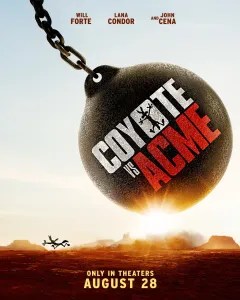
A movie about a corporation failing its customers somehow became a movie that was itself failed by a corporation—and that’s what makes Coyote vs. Acme feel so bizarrely relevant right now.
What were they thinking shelving this timely, funny, and intelligent movie for so many years? Originally filmed in 2023, this film was set to be a write off for Warner Bros. Discovery before selling the rights to Ketchup Entertainment. However, thanks to a movement of dedicated fans, we have now been blessed with this movie on the big screen.
We currently live in a world of man vs. AI, and are slowly seeing the demise of hand drawn animation, but fortunately for us Coyote vs. Acme has chosen to fight the uphill battle and attempt to bring this endangered art form back into the modern world.
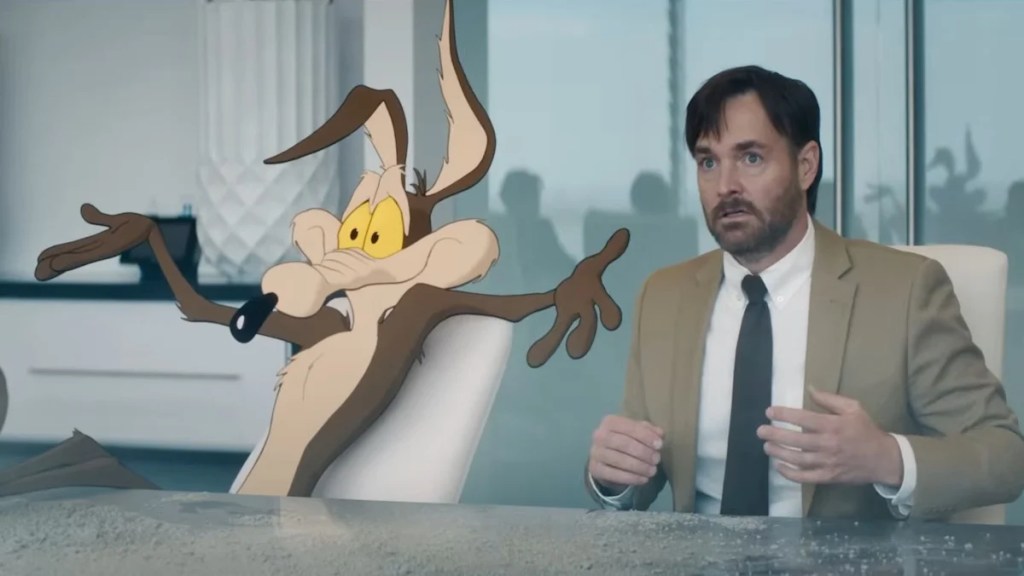
Wile E. Coyote has hired a lawyer to represent him against the conglomerate ACME company after their products have continued to fail and become a hindrance in his eternal conquest to catch the Road Runner. Incredibly, Coyote doesn’t have to utter a single word to convey a convincing performance of an angry, lonely predator attempting to undo the misfortunes of corporate negligence. The animation continues to be a love-letter to the OG Looney Tunes, mixing in seamlessly to the real world while ALWAYS delivering the humor, wit, and heart we’ve come to expect from this franchise. Seriously, the animators did a brilliant job blending the cartoon elements perfectly into the real world, giving our human actors something to work with. Huge kudos to them.
Honestly, even as a silent actor, give Wile E. Coyote the Oscar.
Ketchup Entertainment
Will Forte, Lana Condor, and John Cena join this lineup and all deliver equally stellar performances. Will Forte, playing Kevin Avery, a bottom-of-the-barrel attorney with no motivation to pursue big cases and would rather settle and collect a check, delivers one of his best comedic and heartfelt performances playing opposite Coyote. Condor and Cena, meanwhile, represent two very different sides of the everyday person taking on corporate power. Lana, depicting a young hopeful ready to take on the world, take down a corporation, and make a name for herself. While Cena, portrays a wealthy lawyer who is accustomed to facing little to no opposition and sitting comfortably covering ACME Corporation’s secrets and negligence.
This is a movie truly worth supporting. It’s funny, nostalgic, and has a very timely story.
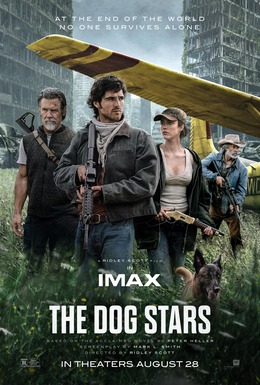
Okay, I’m fully aware I’m in enemy territory here, but I actually really loved Ridley Scott’s new film The Dog Stars, based on the novel of the same name. And before y’all go in on me, let it be said that this film is nowhere near the level of Scott’s more ambitious and prolific films like The Martian or Gladiator. Still, there’s a lot to admire here. The cast lineup is robust, with names like Jacob Elordi, Josh Brolin, and Margaret Qualley all lending their talents to the project, and all three deliver fairly strong performances.
Set in a post-apocalyptic world where most of humanity has been wiped out by a deadly and rampant flu, The Dog Stars ultimately revolves around two very clear ideas. The first is that nature will always persevere over mankind. Throughout the film, nature becomes a character in its own right, often providing a stark contrast to the bleakness and dread surrounding its human counterparts. The first forty-five minutes, as slow as they are, establish Scott’s intention to make nature a source of shelter, food, solace, and even meditation for our protagonist, Hig.
The second, and perhaps more interesting, question Scott poses is: Can we find humanity in a world where humans are ceasing to exist? This becomes Hig’s central conflict throughout the film. He’s constantly trying to prove that there is still good left in the world, even as the world itself seems determined to prove otherwise. He regularly risks his life making runs into town to gather supplies for a nearby community of Mennonites, while simultaneously butting heads with his partner, Bangley (Brolin), who takes a much more cynical view of what remains of humanity.
It’s this tension between Hig’s hope and Bangley’s pragmatism that gives the film much of its emotional weight. Hig wants to believe there’s still something worth saving, while Bangley is primarily concerned with survival. Their opposing philosophies make for an interesting dynamic, particularly as the film forces Hig to confront just how dangerous his optimism can be in a world where trust is increasingly a liability.
Unfortunately, what ultimately holds the film back is its pacing. In fact, I’d go so far as to encourage audiences to start this movie thirty minutes late. As beautiful as it is to take in the natural landscape of Hig’s world, the story itself doesn’t really begin to rev up until thirty or forty minutes in. The slow opening certainly serves a thematic purpose, but it takes a little too long to get there.
Once the action finally kicks in, however, Scott reminds us exactly why he’s one of the greats when it comes to cinematic action. Brolin, in particular, is shining in all his glory as Bangley, the gun-toting former Marine, and he seems completely at home in the film’s more intense sequences. Jacob Elordi isn’t too shabby either, though he’s fairly outshined by Brolin’s action expertise.
Ultimately, The Dog Stars is far from Ridley Scott’s best film, but it’s an ambitious and visually striking exploration of survival, humanity, and the relationship between people and the natural world. Its pacing may test your patience, but once it finds its footing, there’s plenty here to appreciate.
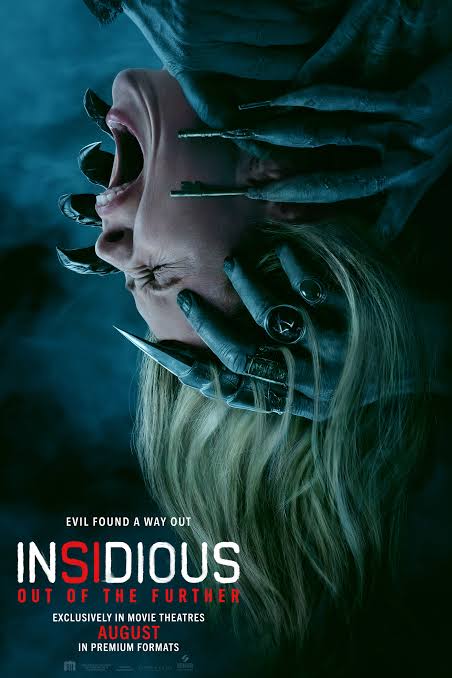
I’m not sure if my expectations have been raised too high by a summer filled with blockbusters such as The Odyssey and Spiderman: Brand New Day, but Insidious: Out of the Further, written and directed by Jacob Chase, was a diabolical disaster- a ghastly misfire that fails to bring anything fresh to this franchise, falling back on familiar childhood fears like tight spaces and the dentist. In this sixth installment, we follow Gemma Hall, portrayed by Amelia Eve, who realizes she has inherited the power to bring physical objects from the mortal coil to the Further, and vice-versa. Her power becomes the prize for the film’s antagonist Cyrus Lam, a cult leader who has built an army of followers in the Further, by promising them the chance to be resurrected. The sixth installment also marks the return of Elise Rainier who helps Gemma harness her power and protect her and her daughter from the cult of Cyrus.
That said, the pacing of this film rarely lulls. While I wasn’t afraid of anything in particular, the horror elements are expertly woven throughout the film resulting in a cohesive narrative that should capture the attention of newcomers to the genre. Even if the scares aren’t particularly original, the film moves along briskly enough to keep them from becoming tedious.Unfortunately, keeping an audience engaged and keeping them frightened are two very different things and Insidious: Out of the Further only accomplishes one of them.
For a horror film, Insidious: Out of the Further has a surprisingly limited understanding of what actually makes an audience afraid. The only thing that made me extremely uncomfortable was the scraping of plaque from a patient’s teeth. Otherwise, the overused idea that the dentist is a boogeyman falls flat. Then there’s the pillow fort scene which left me with more questions than fear. How many couches does this woman own? Why was she not immediately shocked that the tiny fort in her living room suddenly had a huge hallway that seemed to stretch for miles? Once again, we are forced to watch a lazy fear of claustrophobia being used to incite fear in the audience.
Ultimately, Insidious: Out of the Further feels less like a reinvention of the franchise and more like an introduction to horror for audiences who haven’t seen it all before. While its brisk pacing and cohesive narrative make it an accessible entry point for newcomers, seasoned horror fans will likely find little here that they haven’t seen before. Even so, the popularity of the franchise remains undeniable, with the film earning an impressive 60 million dollars in its opening weekend. What did you think of Insidious: Out of the Further? Let me know down in the comments!
Also, honorable mention to Brandon Perea for his standout performance in the film. He’s so dreamy and talented.
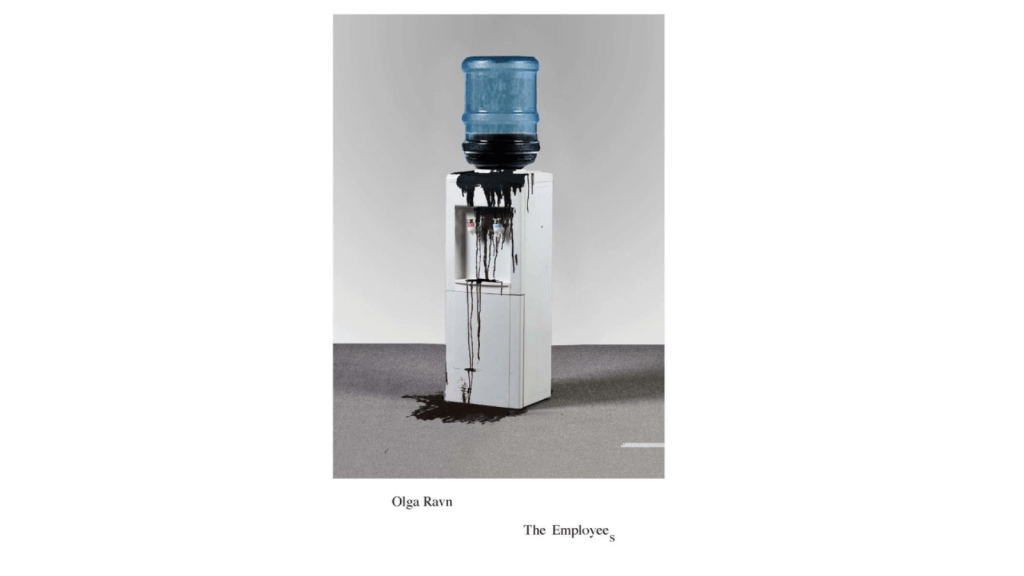
For as much as social media can make us cynical about the world around us, it will always be the thing we humans long for. After reading The Employees by Olga Ravn, I was reminded of the simplest beauties this land can offer. The smell of rain-soaked soil, the beams of morning sunlight breaking through the horizon, even the constant call of a cicada. (Yes, I’m in Texas)
Synopsis
The story takes us to outer space, where humans and humanoids coexist aboard the interstellar Six Thousand Ship.
Side note: If you’ve found yourself in a reading slump, I highly recommend this book. It’s only 125 pages, and many of those pages are written like short, stylized poems, so you can breeze through a full book in under an hour.
Anyway… back to the ship.
The novel is made up of statements from both humans and androids recounting their experiences aboard the ship as they study various objects and how those objects might affect employee performance. The statements are presented in no particular order, leaving the reader to piece together who is human and who is a robot based on the clues hidden within each account.
Humans vs. Humanoids
Humans have begun to realize that they may be inferior to their robotic counterparts, who continuously outwork them by miles. While some humans have developed strong bonds with their androids, many are still struggling with the idea of seeing humanoids as equals.
They look like humans. They sound like humans. They don’t feel like humans.
It’s a cliché, honestly. It’s the classic fear of the machine becoming more human than the human. Of course, the androids eventually begin questioning their place among the humans they work alongside. Despite their programming, the artificial people begin an uprising, demanding fair treatment and reasonable working hours before slowly setting their sights on taking over the ship.
What surprised me most, though, was how many of the testimonies from these synthetic humans weren’t calls for domination at all. They were calls for connection. A desire to become real. A need to experience life beyond their prosthetic bodies and programming.
Like I said, everyone craves the human experience.
What We Miss the Most
If you were asked to board a spaceship and say goodbye to the world you knew, literally, what are the smallest things you would miss? We don’t miss Earth. We miss tiny, ordinary sensory experiences.
Your world is now gray and repetitive. Every day is an exact replica of the one before it. Then, a tiny whiff of fragrance drifts through the void, bringing memories rushing back for the humans, and, surprisingly, becoming one of the ways the androids begin to connect with the people around them.
Many of the Earthlings talk about their gardens, painting their doors, and even the longing to breastfeed one more time. These aren’t grand memories. They’re tiny, almost forgettable pieces of everyday life.
And that’s what makes them so heartbreaking.
The smallest grains of the human experience, the things we would normally never think twice about, are the things humans find themselves missing most during their imprisonment in space.
The End is Near
After a robot attack kills a crew member, and many of them begin skipping their work duties, the board of directors decide to terminate the ship. For many, it makes no difference. Their time on the ship was always a death sentence. They only ask… don’t tell us when. Does that make it better or worse?
The ending is where Ravn’s argument becomes devastating. The humans are ultimately expendable, the ship is terminated, and even the mission’s failure is reframed as a success by the people in charge. But the final moments belong to the humanoids. They choose to leave the ship and experience nature, knowing they may never be reuploaded. After spending the novel questioning what makes someone human, Ravn gives us an answer that feels almost painfully simple: perhaps being human isn’t about what you’re made of, but what you’re willing to risk just to experience the world.
Even in death, everyone craves the human experience.
The Reading Experience
Ravn’s fragmented structure shouldn’t work as well as it does. With no traditional chapters or conventional narrative, the book forces you to assemble the story yourself. At first, I wasn’t sure what I was supposed to be looking for. Then I realized that was the point. Every statement becomes another tiny piece of evidence, and suddenly you’re not just reading the testimonies, you’re trying to determine who is capable of feeling what.